Cupping Therapy Benefits: Recover Faster and Move Better
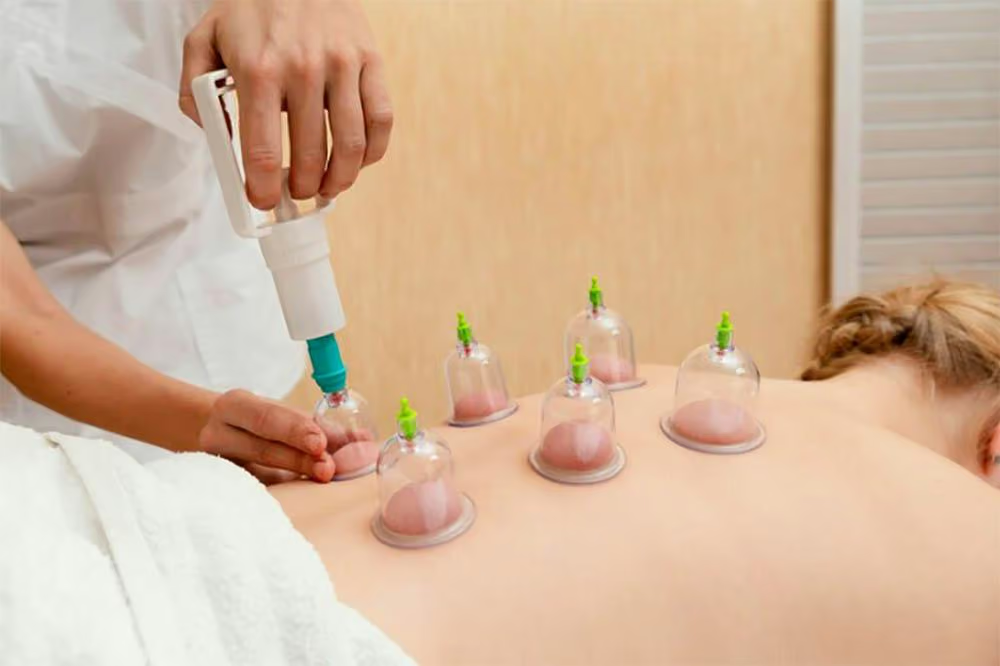
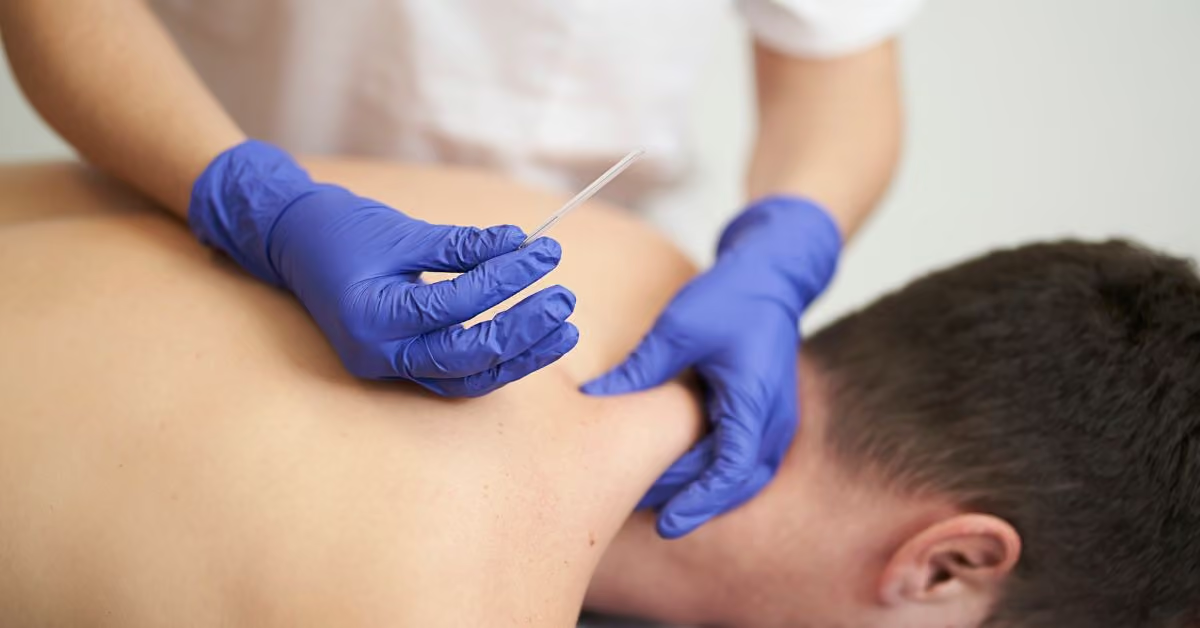
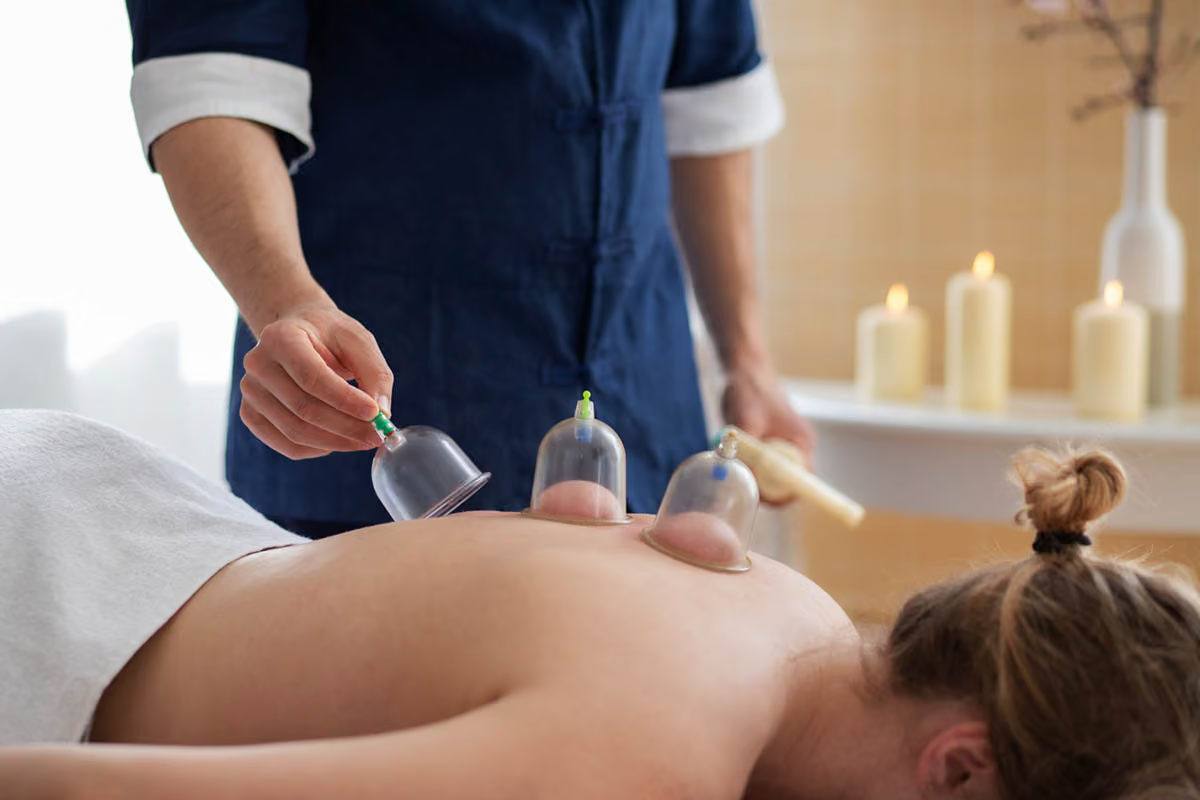
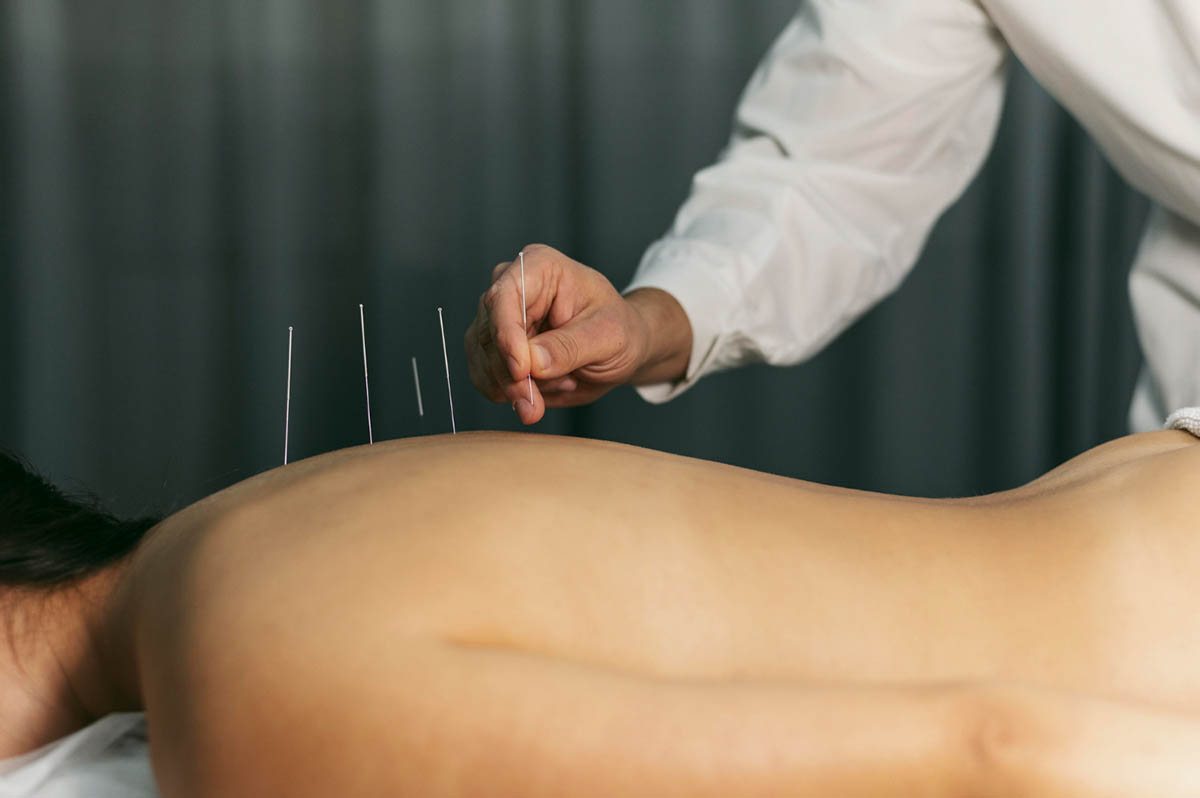
Learn how cupping therapy benefits active adults and athletes by easing soreness, improving mobility, and supporting faster recovery as part of physical therapy.
Learn how cupping therapy benefits active adults and athletes by easing soreness, improving mobility, and supporting faster recovery as part of physical therapy.
Pelvic floor physical therapy: what to expect at your appointment, including assessment, internal exam options, treatment plan, and more.

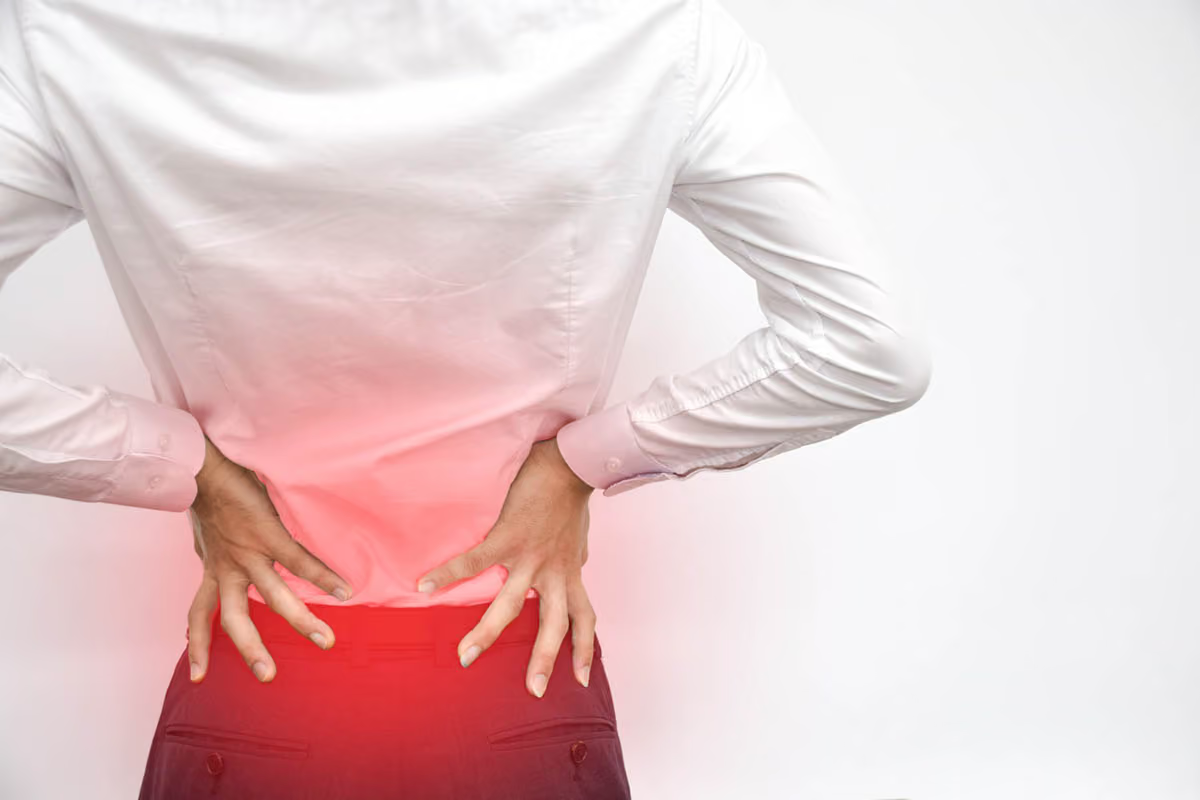
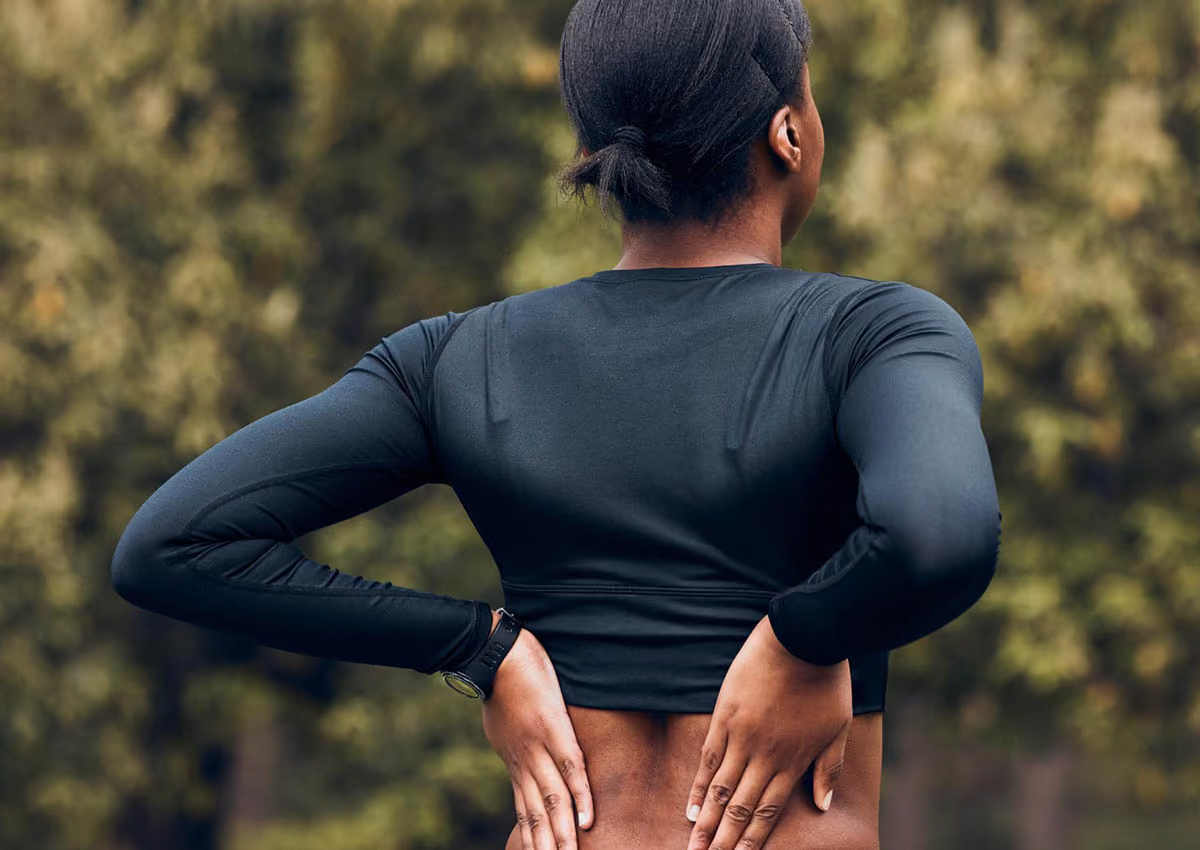
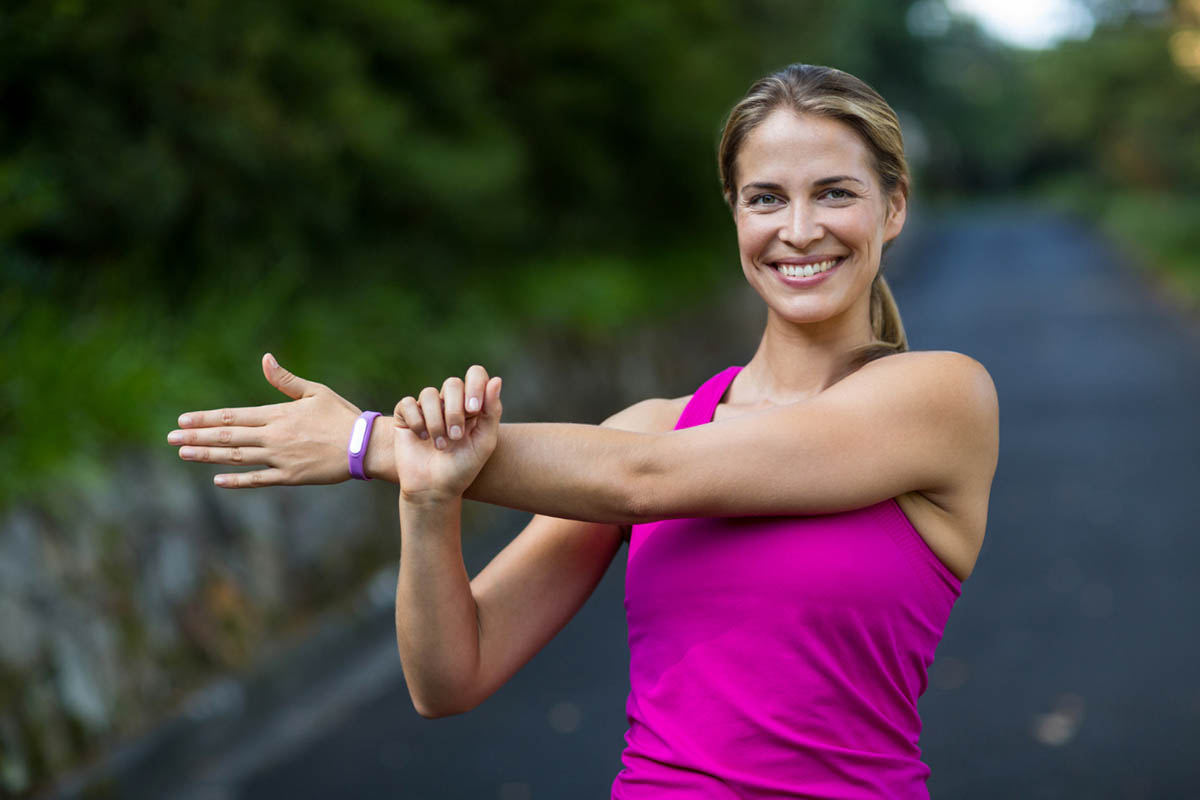
If you are active, your lower back usually works harder than you realize. Whether you are lifting at CrossFit, training for a race around Minneapolis, or carrying your baby after a long night, learning how to stretch your lower back safely can make a big difference in how you move and feel. You do not have to figure this out alone. If you want expert eyes on your movement and a plan that fits your real life, support is available.
Revival Physical Therapy & Wellness offers a free 15 minute discovery consultation for new patients so you can share your story, ask questions, and see if working together feels right.
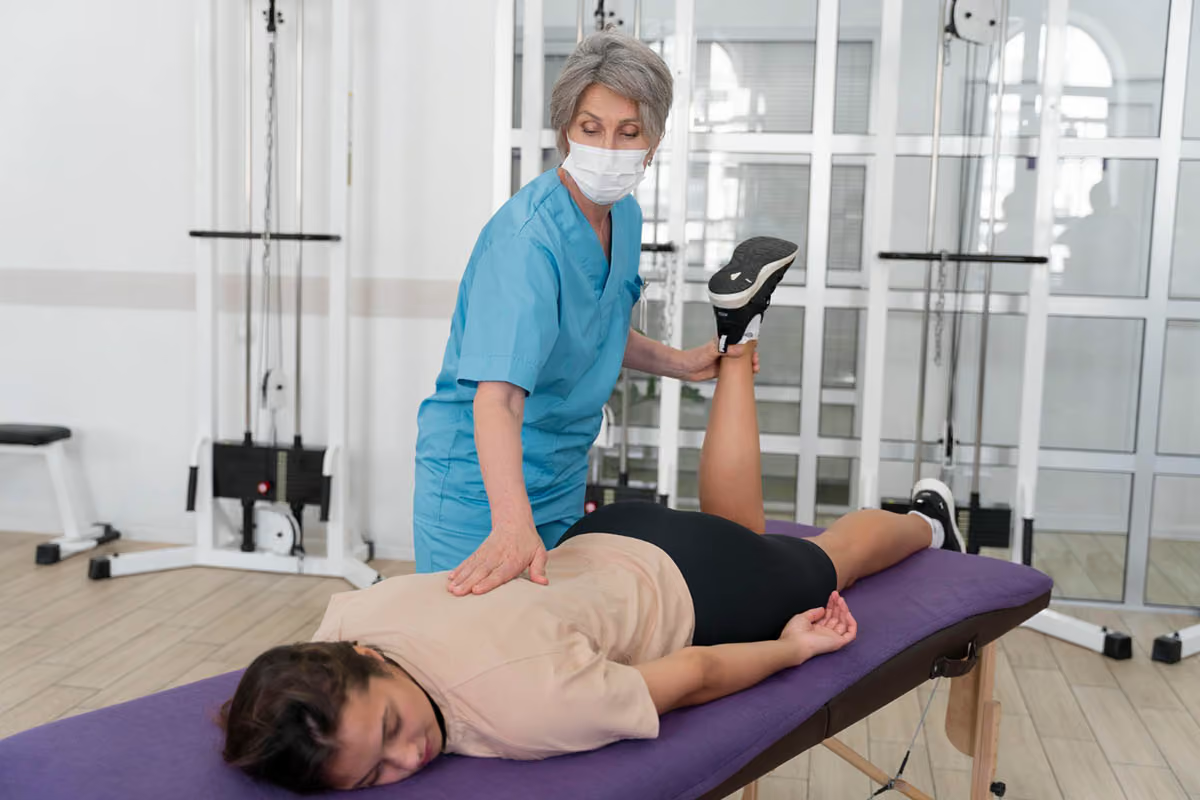
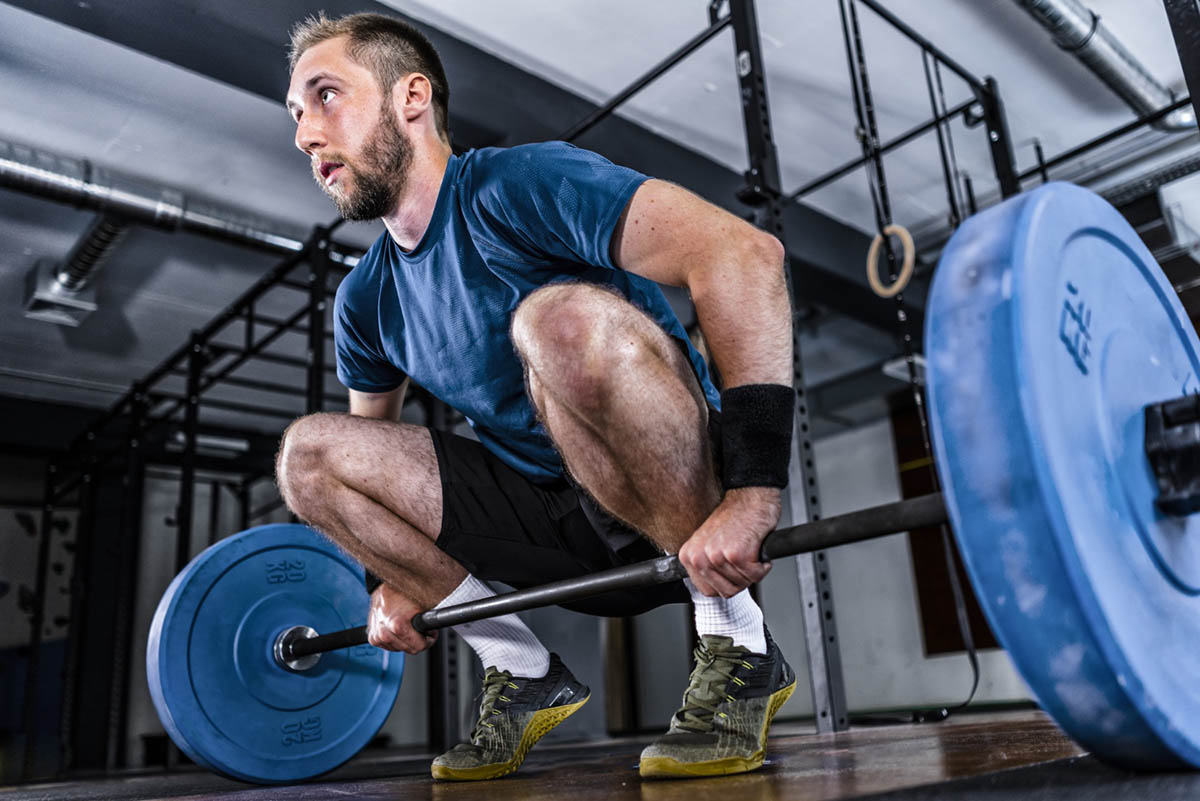
As a Sports PT at Revival Physical Therapy & Wellness, we see lower back tightness and pain all the time. Most people are not broken, their back is simply asking for smarter movement, better support, and more intentional recovery.

When life stays busy with training, kids, and everyday stress, it is easy to overlook simple tools that keep your body strong and resilient. Band exercises for stronger running, lifting, and postpartum recovery give you a low impact way to build muscle, protect your joints, and support your core without needing a full gym setup. If you want expert eyes on your movement and a plan that uses band exercises in the right way for your body, we are here to help.
Call Revival Physical Therapy & Wellness at 612 605 7594 to schedule your consult and begin building a stronger, more confident way to move.

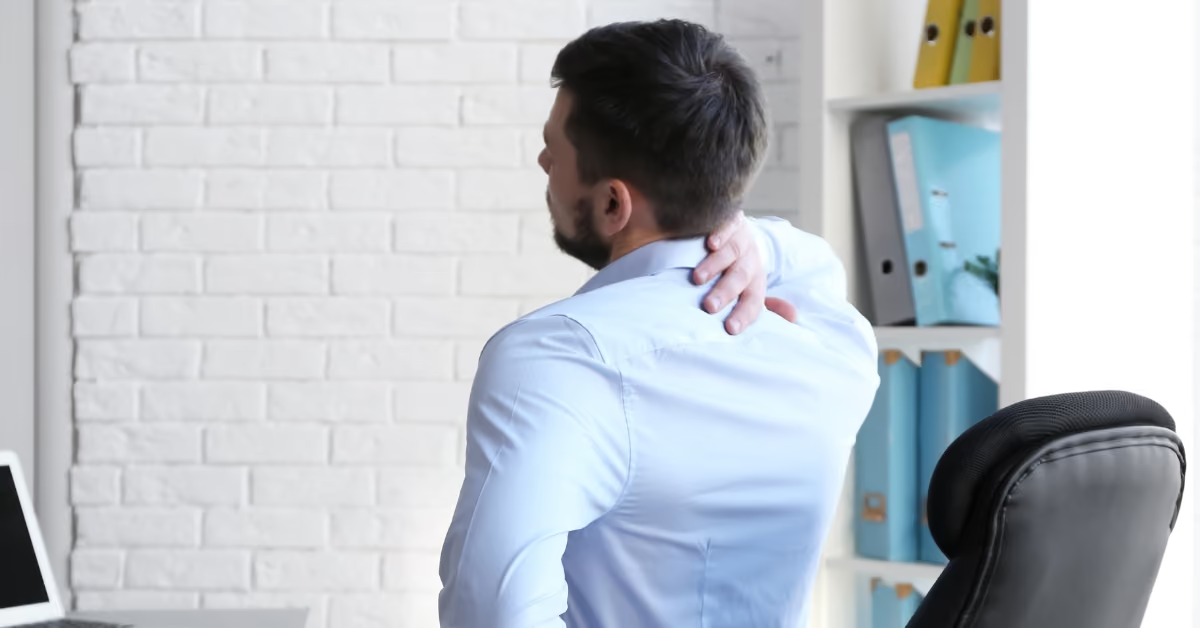
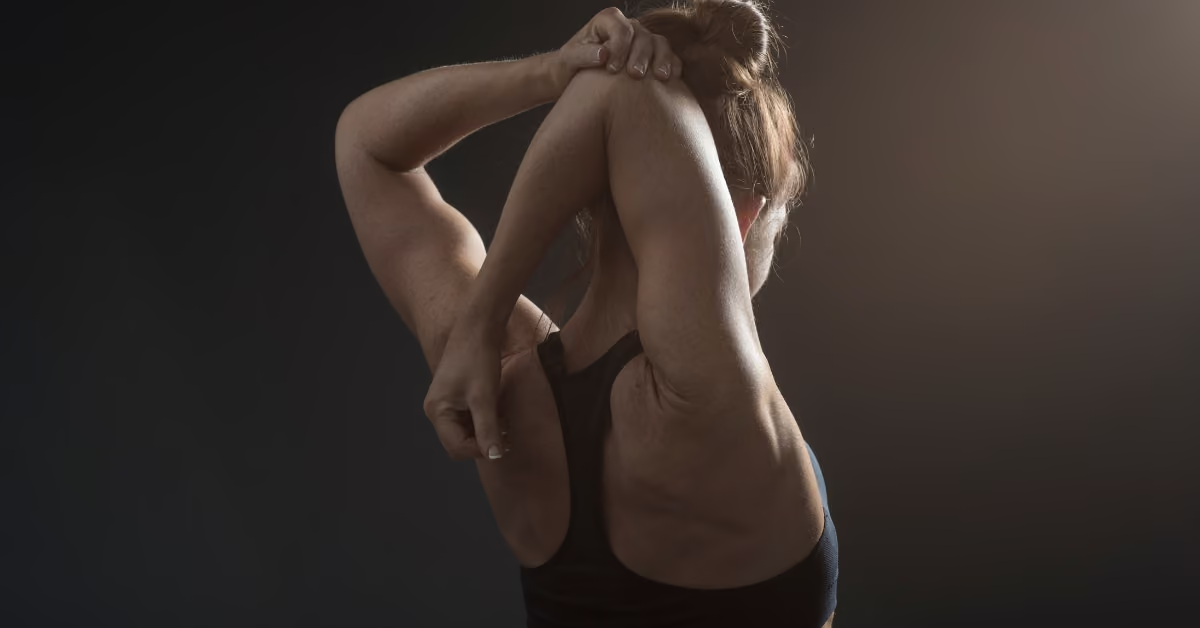
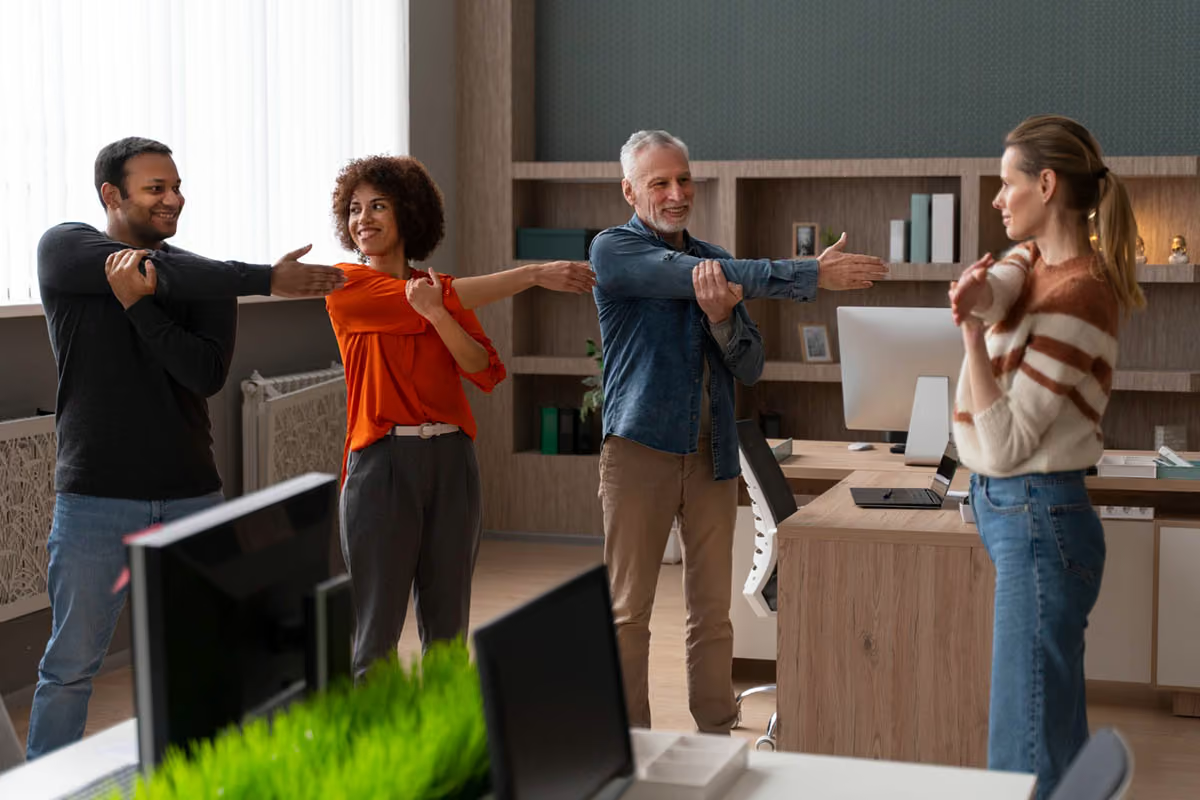
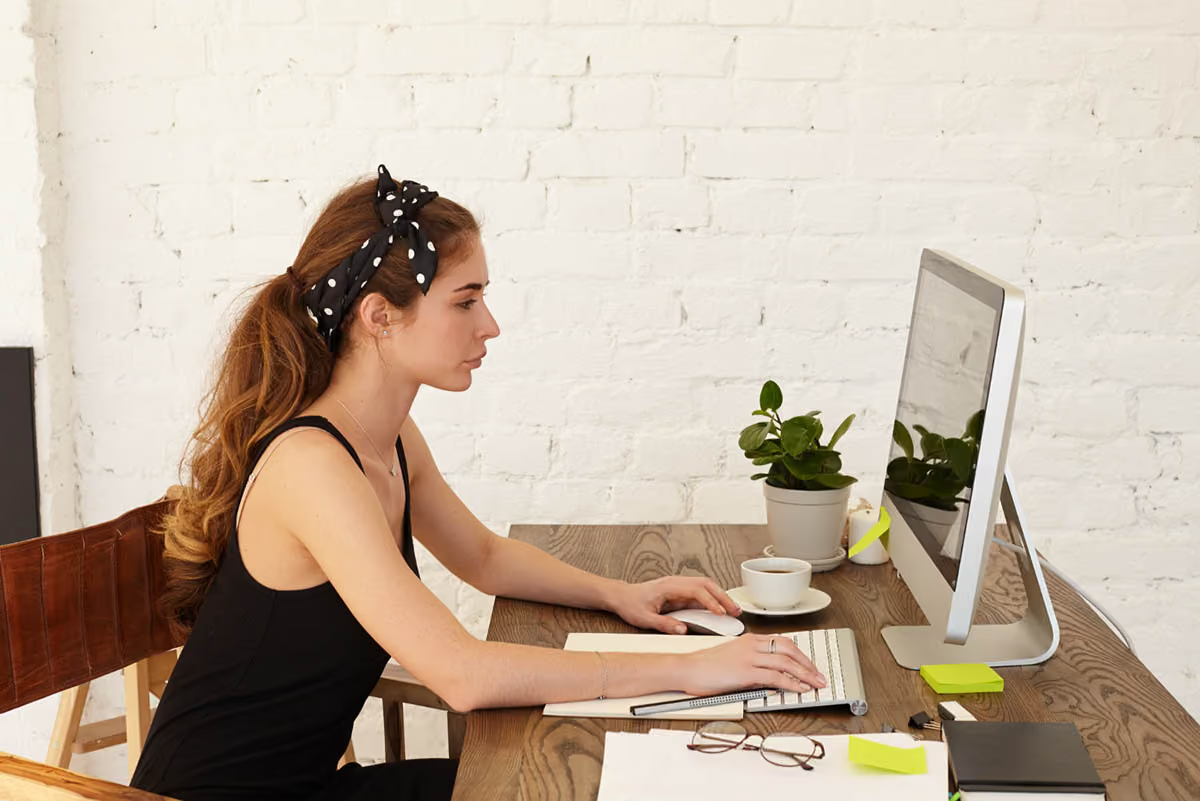
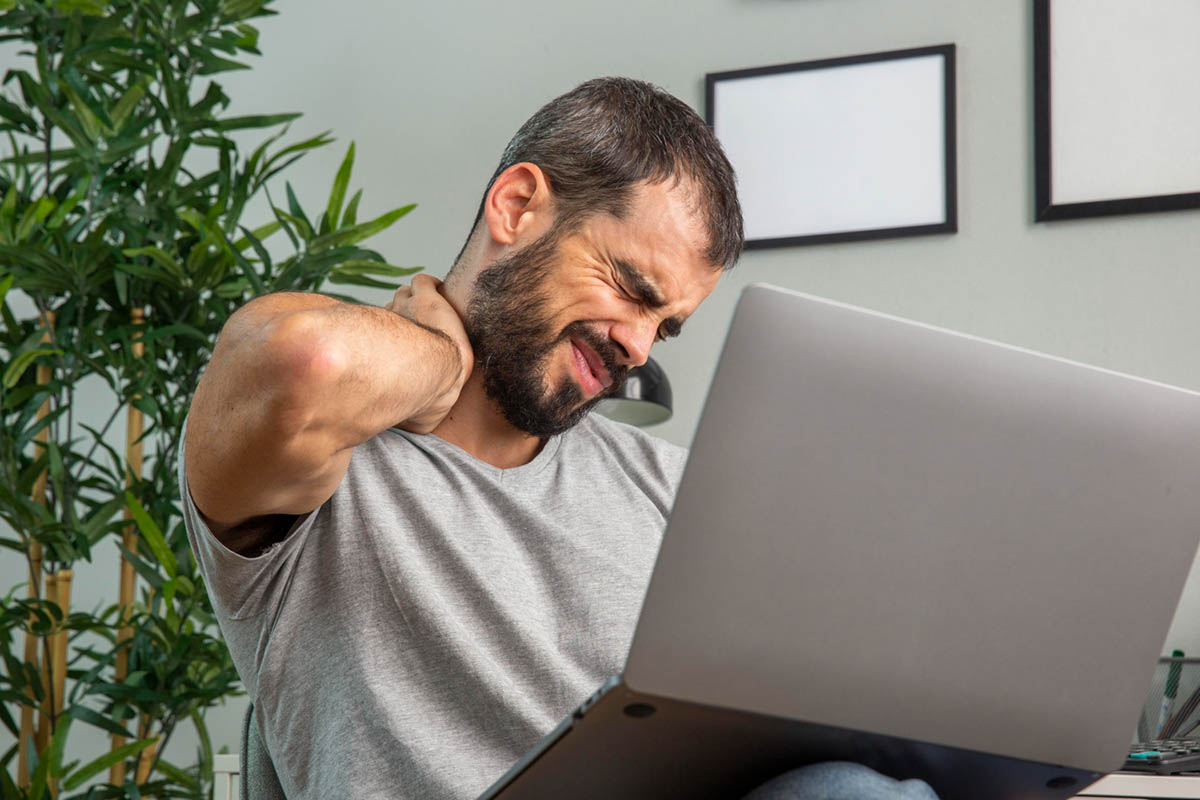
You battle the glowing screen for eight hours every single day. Your shoulders slowly roll forward while you wonder how to stretch upper back tension away.
That nagging ache between your shoulder blades creates a constant distraction. It limits your ability to perform in the gym or play with your kids.
Your body eventually adapts to the rigid shape of your office chair. This creates a nasty cycle of stiffness that simple rest cannot fix.
This is not just about feeling tight. It is about losing your natural functional range of motion.
You likely notice these common warning signs:
Headaches starting at the base of your skull
Sharp pain when checking your blind spot while driving
Inability to keep your chest up during squats
Numbness tingling down into your fingers
Ignore these signals and you risk serious long-term injury. You must address the root cause of your immobility right now.
You do not have to let your job destroy your posture. Here are the precise movements to reverse the damage today.

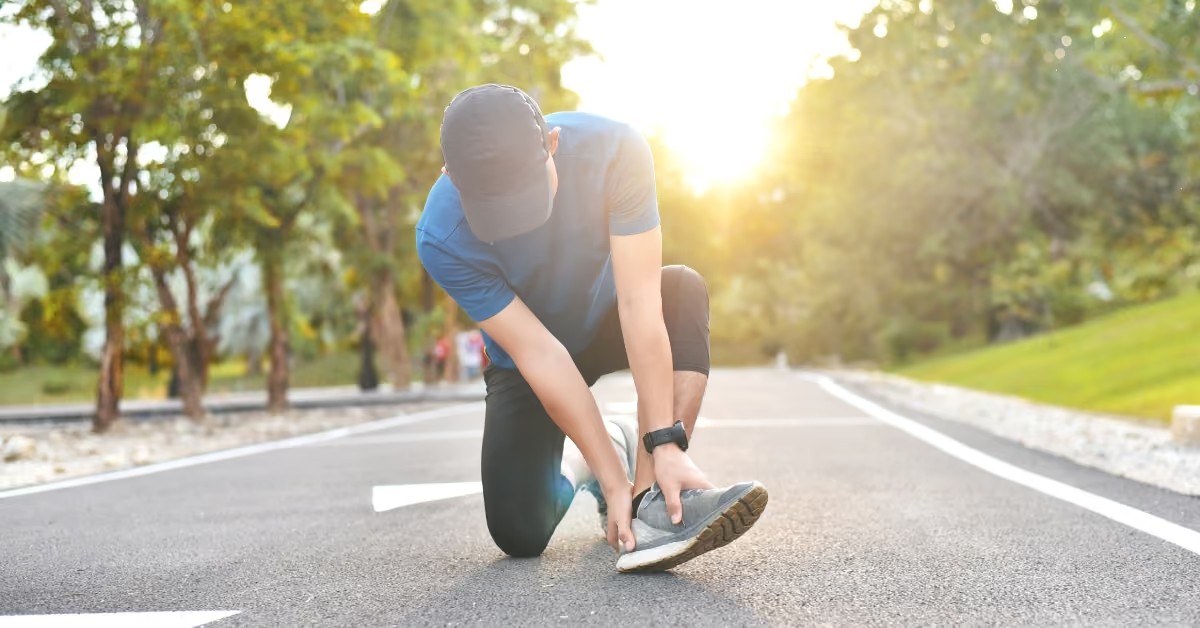
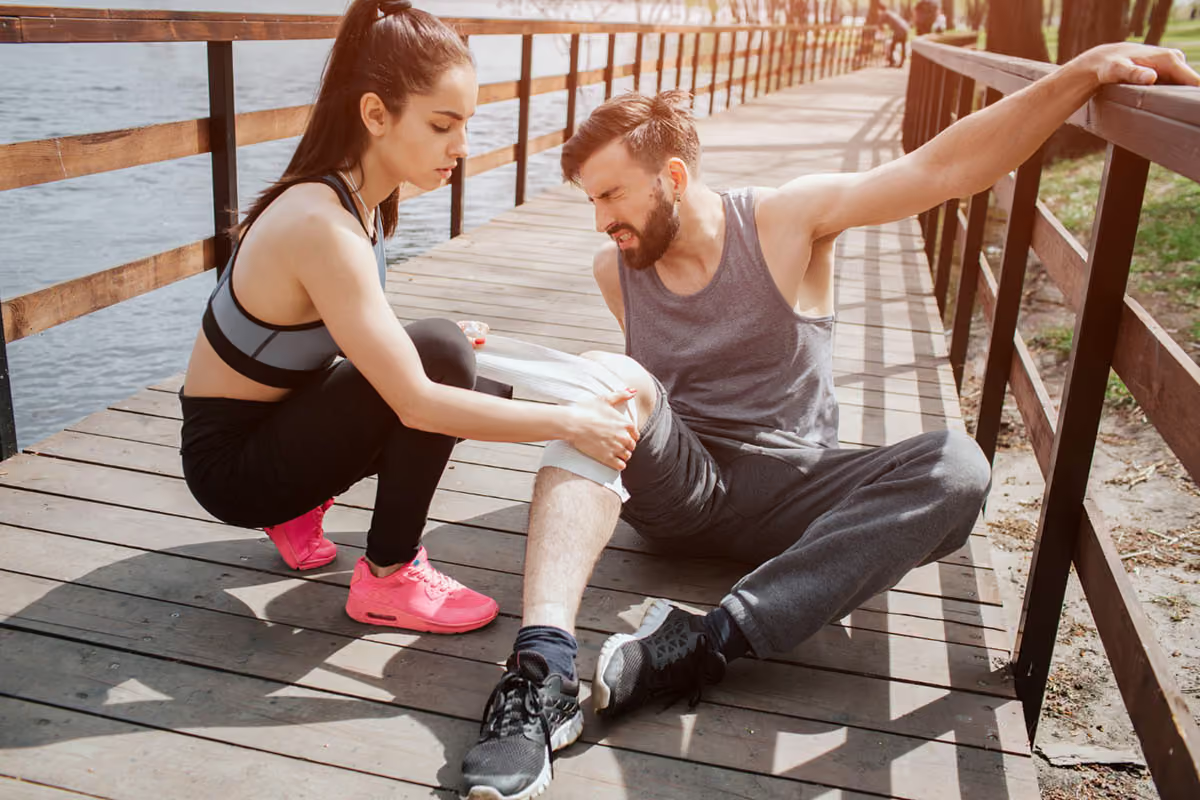
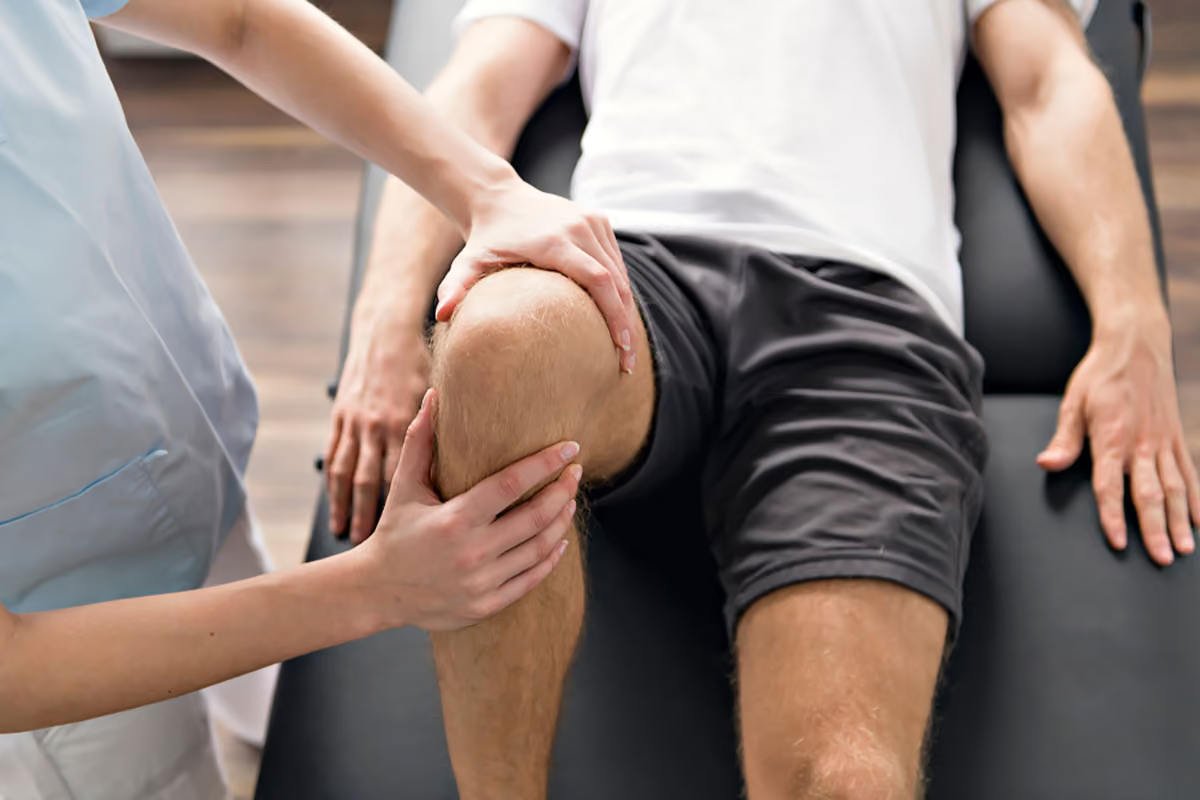
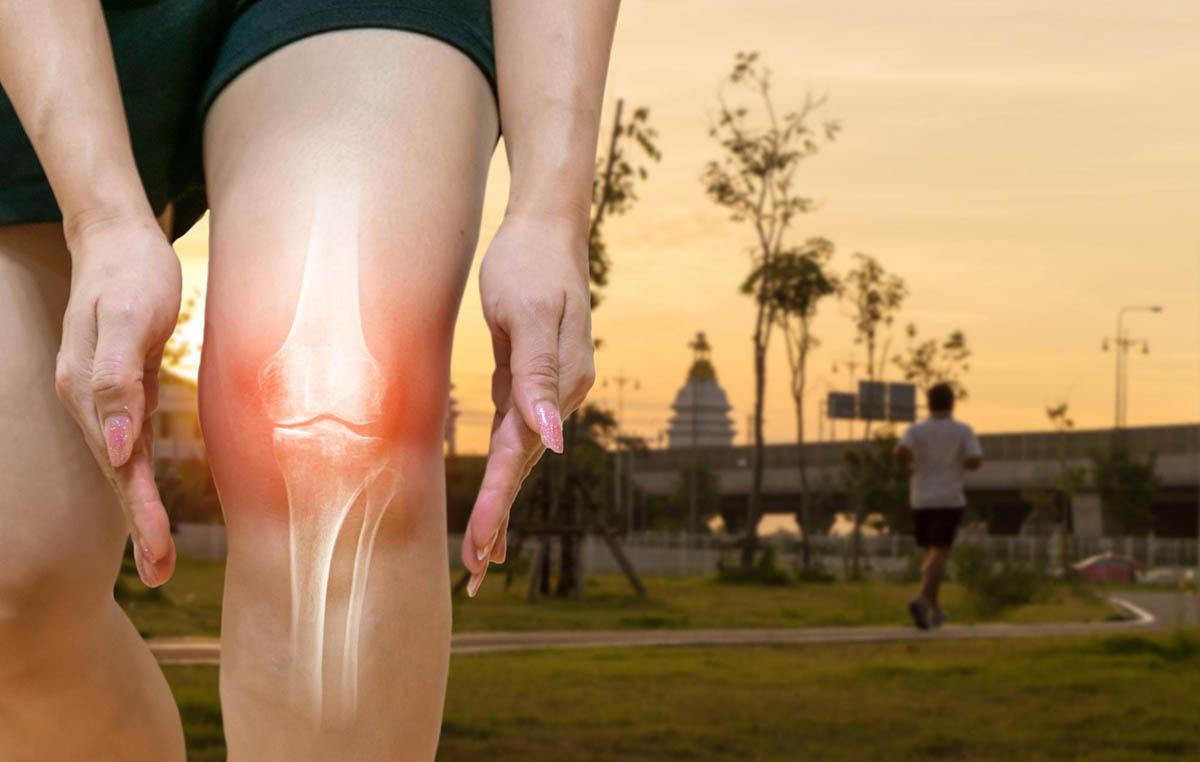
You finish your run and feel a sharp twinge. That nagging pain on inner side of knee flares up with every step.
You might try to push through the discomfort. This often leads to a much more serious injury.
Your body is alerting you to a mechanical issue. You cannot run off a structural problem.
Common culprits for this specific pain include:
Medial meniscus tears
MCL sprains or stiffness
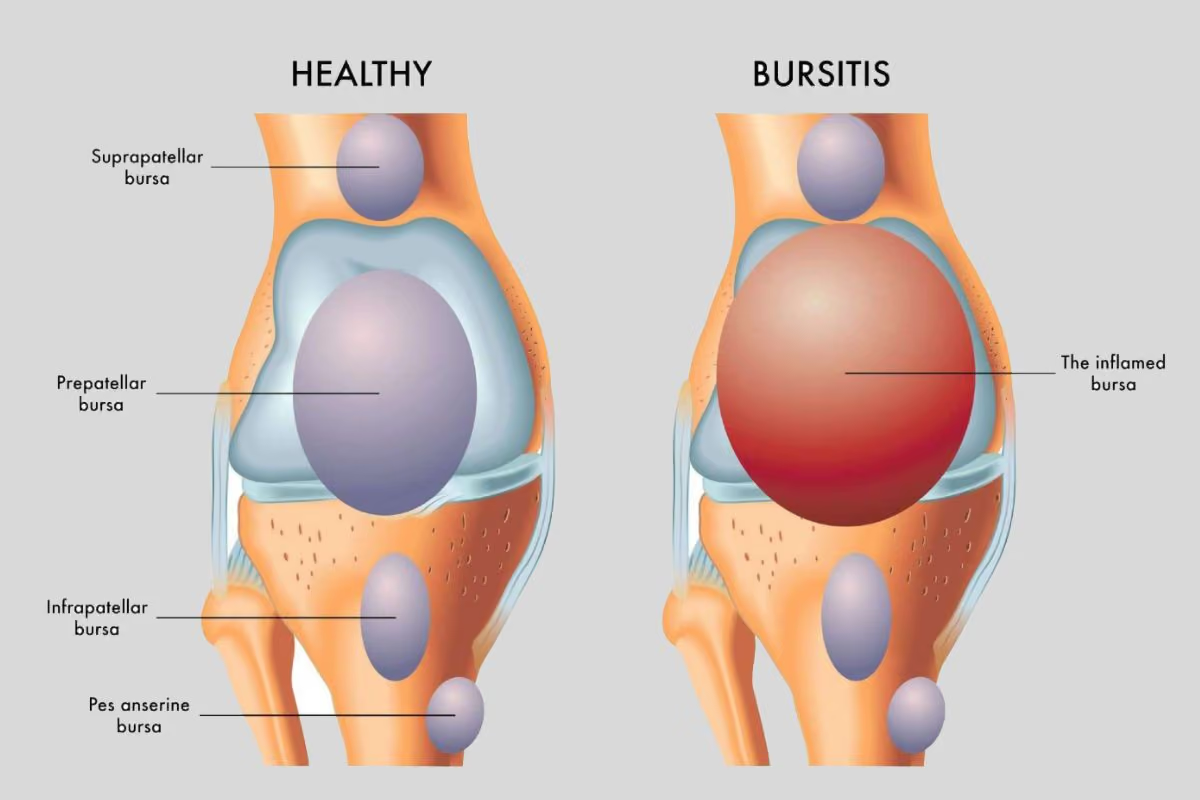
Pes Anserine Bursitis
You need to address the root cause immediately. Ignoring it forces your body to compensate in dangerous ways.
We want you to understand exactly what is happening inside your joint. Here is how you fix it for good.