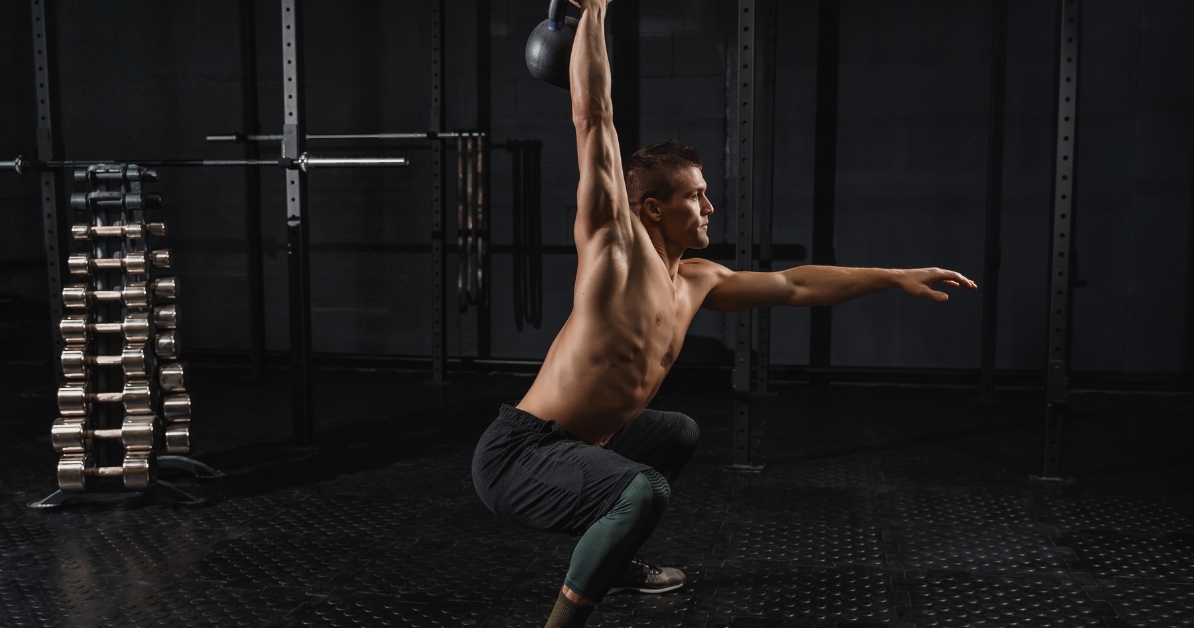
When you push your body through CrossFit’s high-intensity lifts and rotations, your obliques take a serious beating. That’s why understanding oblique injury recovery time matters if you want to stay in the game.
This kind of injury isn’t just sore muscles that fade overnight. It can sideline you for weeks if you don’t handle it right.
You feel it every time you twist, brace, or even breathe deeply. That constant reminder makes training feel impossible and daily life more painful than it should be.
The good news? Recovery doesn’t have to mean losing your strength or progress. With the right approach, you can rebuild and even come back stronger.
Here’s what you’ll uncover in this guide:
- The real toll oblique injuries take on CrossFit performance
- Why ignoring the pain only drags out recovery
- Practical steps that cut healing time and protect your gains
- How to return to heavy lifts without fear of re-injury
Are you ready to shift your mindset from frustration to opportunity? Let’s break down how recovery time can redefine your training path instead of derailing it.
Oblique Muscle Strains: Find Pain Relief Without Losing Your Strength
Understanding Why Oblique Injuries Hit Hard
Oblique muscle strains are more than nagging aches. They often create sharp pain that interferes with core movements like trunk rotation, deep breathing, and lateral flexion.
You rely on your external and internal obliques every time you stabilize a barbell overhead or explode into a kettlebell swing. When an oblique injury occurs, even standing upright can feel like a challenge.
Why CrossFit and Baseball Athletes Are at Higher Risk
CrossFit athletes face the same stressors as professional baseball players and even local minor league baseball talent training here in Minnesota. The constant twisting, bracing, and rapid transitions leave you vulnerable to side strain and abdominal oblique injuries.
At places like Target Field during summer games, you see how a simple internal oblique muscle strain can sideline a pro for weeks. The same thing happens in CrossFit gyms across Minneapolis and Plymouth when sudden movements overload the core muscles.
Symptoms You Should Never Ignore
Recognizing early signs prevents further injury and speeds up the recovery process. You may notice:
- Sharp pain along the lower ribs or iliac crest
- Muscle tightness or muscle tension with bending or twisting
- Unilateral low back pain linked to internal obliques
- Severe pain during trunk rotation or deep breathing
A physical therapist looks at your medical history and specific muscle groups to pinpoint if the injury occurred in the external oblique or internal oblique muscles.
Physical Therapy Solutions That Work
Conservative treatment gives you pain relief while promoting healing. We use manual therapy and soft tissue techniques to increase blood flow to the strained muscle fibers.
We also guide you through safe strengthening exercises that target both the abdominal muscles and stabilizing muscle groups. These restore function and prevent re re-injury rate from climbing.
You don’t have to let an oblique strain slow you down. With the right care, you can find pain relief, rebuild your strength, and protect against further injury.
Call us at 612-605-7594 or Schedule Your Discovery Visit. Start your path to complete recovery with Revival Physical Therapy & Wellness.
Gentle Movements That Support Healing
Your rehab begins with gentle stretching and dynamic stretches to reduce muscle soreness. A structured plan may include:
- Abdominal brace drills to stabilize the abdominal oblique muscle
- Controlled lateral flexion to activate the internal obliques
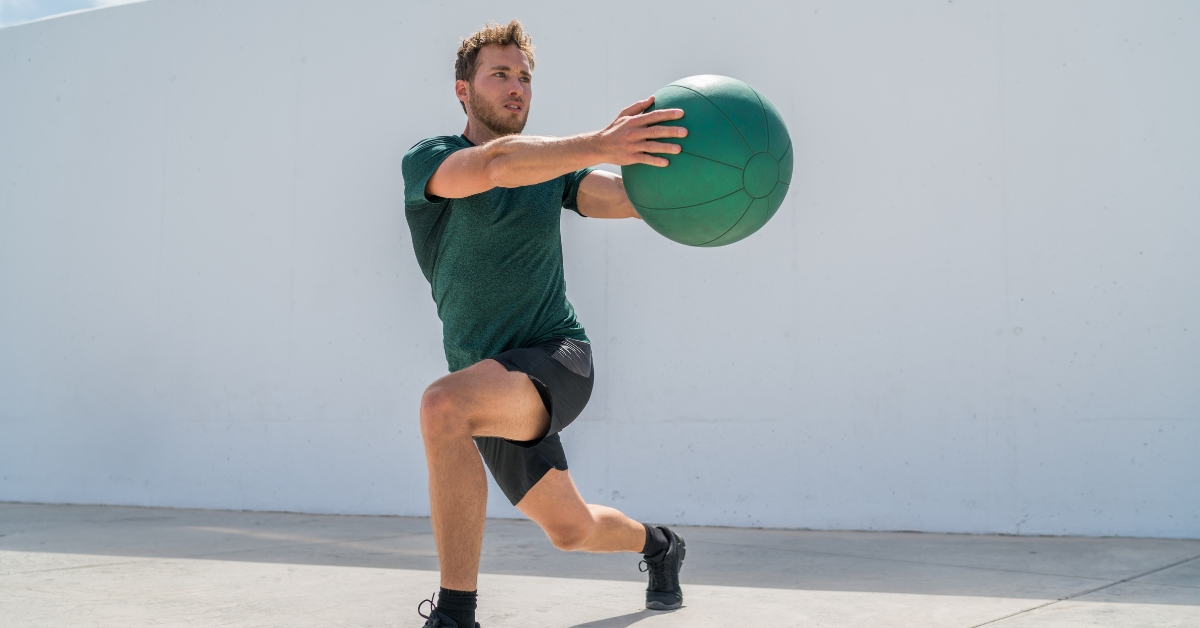
- Trunk rotation training with proper form to prevent oblique strains
Each exercise progression focuses on the abdominal muscle strain without adding stress to the muscle insertion at the inguinal ligament or iliac crest.
Returning to Play With Confidence
With conservative treatment and guided sports PT rehab, most mild oblique strains recover within a few weeks. Even severe strains that feel like a muscle tear respond well to targeted PT strategies.
Your goal is not just complete recovery but reducing the chance of a same movement re-injury. That’s why a skilled physical therapist emphasizes preventive measures before you return to play.
Whether you’re preparing for the next CrossFit Open or watching the Twins at Target Field, the right physical therapy plan helps you perform without fear. You deserve a strategy that promotes healing, protects your gains, and keeps you moving.
Step-By-Step Recovery Timeline for Oblique Muscle Strains
Immediate Treatment: The First 48 Hours
When the injury occurred, your first priority is pain relief and limiting further injury. This is where you:
- Avoid sudden movements that stress the core muscles
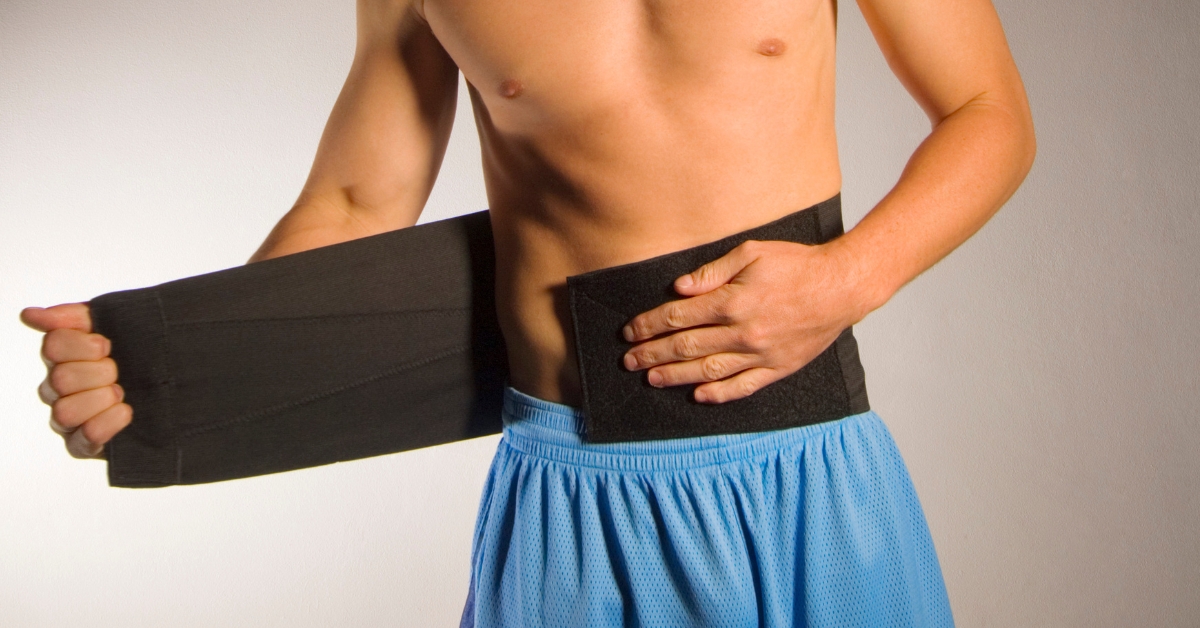
- Use gentle abdominal brace positioning for support as you heal
This stage is about calming muscle fibers and protecting against a worsening oblique muscle injury.
Early Recovery: Days 3 to 7
Once intense pain eases, you can start guided gentle stretching. Controlled motion restores blood flow and decreases muscle tightness.
A physical therapist helps you with:
- Dynamic stretches for the external and internal obliques
- Light trunk rotation and lateral flexion drills with proper form
- Breathing strategies to reduce strain on internal obliques
This phase promotes healing while avoiding stress on the muscle insertion along the lower ribs and iliac crest.
Active Rehab: Week 2 to Week 4
Your physical therapy now shifts toward regaining strength in the abdominal muscles and stabilizing muscle groups. You’ll focus on:
- Targeted strengthening exercises that activate internal oblique muscles
- Restoring core endurance with abdominal brace progressions
- Sports medicine drills designed to mimic CrossFit movements safely
This is also the stage where many mild oblique strains show marked improvement.
Return-to-Play Prep: Week 4 to Week 6
Your recovery process includes more sport-specific training here. This might involve:
- Progressive trunk rotation drills that resemble barbell work
- Functional side strain testing to ensure stability under load
- Movement coaching to prevent oblique strains in the future
Athletes in minor league baseball and CrossFit gyms around Minneapolis use this stage to confirm they’re ready to train without restrictions.
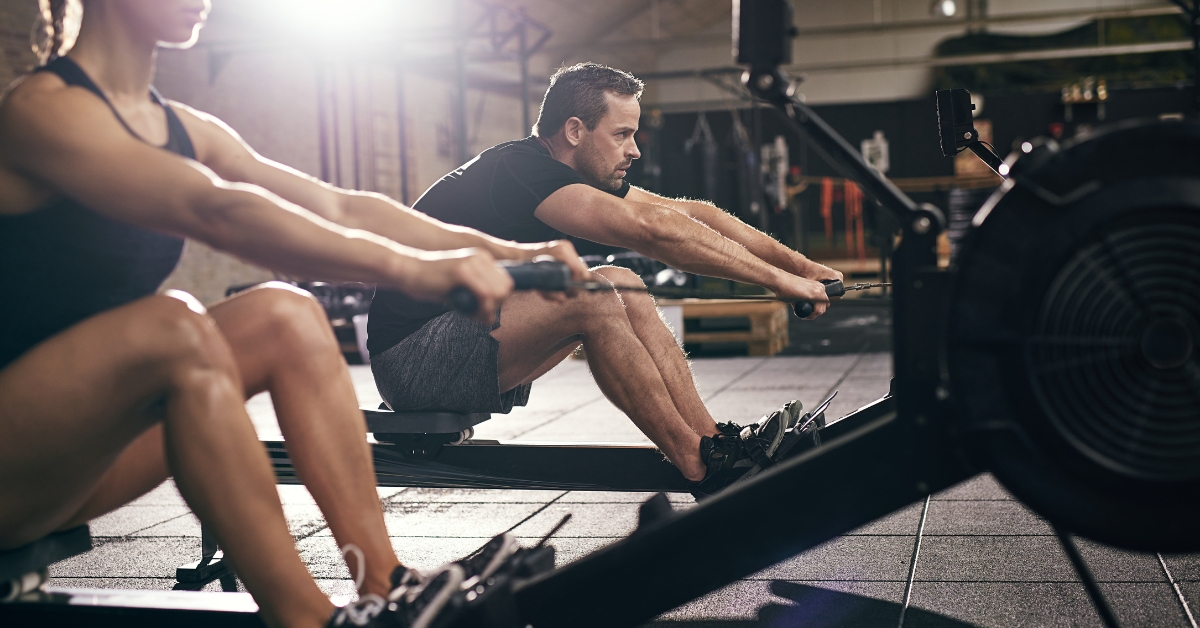
Full Return to Play: Beyond 6 Weeks
Most mild strain cases resolve in a few weeks, but severe strains or partial muscle tear injuries may take longer.
Before clearance, your physical therapist ensures:
- No sharp pain with same movement drills
- Both the external oblique and internal oblique muscles handle full physical demands
- Functional tests confirm low re-injury rate risk
This phase is about reaching complete recovery and stepping back into CrossFit or competition with confidence.
Why This Timeline Matters
Whether you’re lifting in the North Loop, running drills in Plymouth, or watching professional baseball players at Target Field, recovery follows similar rules.
Oblique injury recovery time isn’t just about rest.
It’s about conservative treatment, progressive strengthening exercises, and smart preventive measures that keep you training at full intensity.
Get Back to Training With Revival Physical Therapy & Wellness
Why Personalized Care Makes the Difference
At Revival Physical Therapy & Wellness, every session is one-on-one with a Doctor of Physical Therapy. That means your oblique muscle injury treatment plan is built around your body, your sport, and your goals.
We never hand you off to aides or follow cookie-cutter rehab routines. Instead, you get customized care that targets the root of your oblique pain and restores your performance.
How We Support Your Recovery Process
We help you recover faster and stronger by focusing on:
- Manual therapy to ease muscle tension and promote healing
- Strengthening exercises for the external and internal obliques and supporting core muscles
- Movement coaching to improve form and prevent oblique strains in the future
- Sports medicine rehab designed for the physical demands of CrossFit and competitive training
Every step protects your gains and reduces your risk of re injury rate when you return to play.
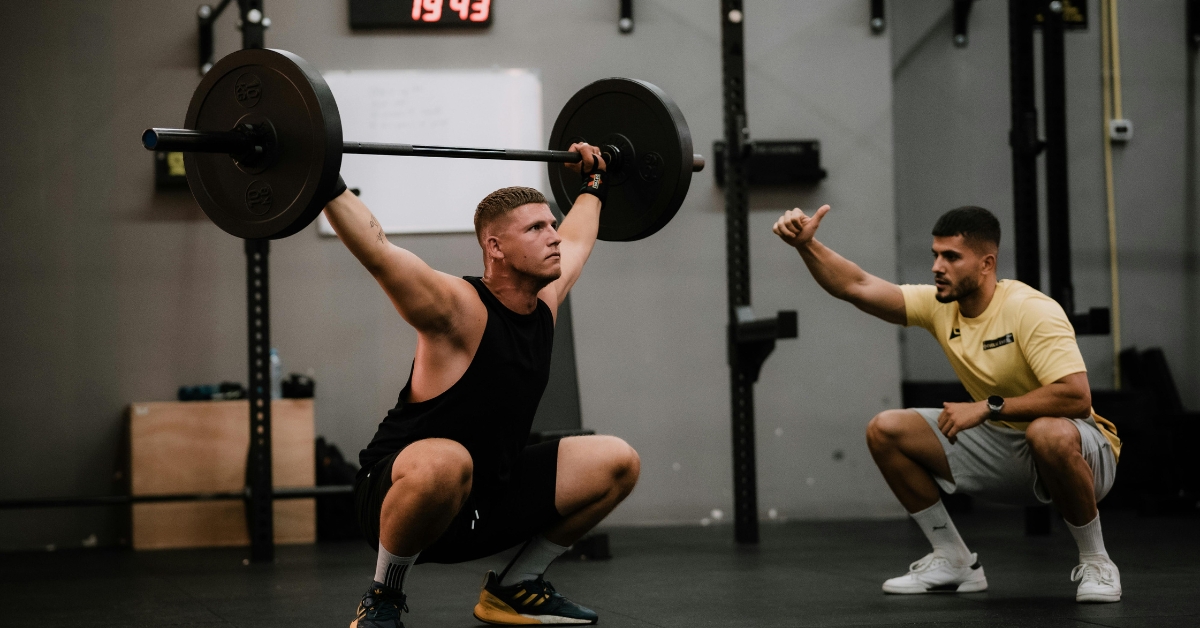
Local Expertise for Athletes in Minneapolis, Plymouth, and Golden Valley
We know the physical demands you face, whether you’re competing in CrossFit events around Minneapolis or training for summer games at Target Field.
Our PTs understand how abdominal oblique injuries affect athletes at every level, from community gyms to professional baseball players.
Your injury rehab plan isn’t just about healing. It’s about keeping you active, confident, and ready for the next challenge.
Start Your Recovery Today
You don’t have to let an oblique strain slow you down. With the right care, you can find pain relief, rebuild your strength, and protect against further injury.
Call us at 612-605-7594 or Schedule Your Discovery Visit. Start your path to complete recovery with Revival Physical Therapy & Wellness.